
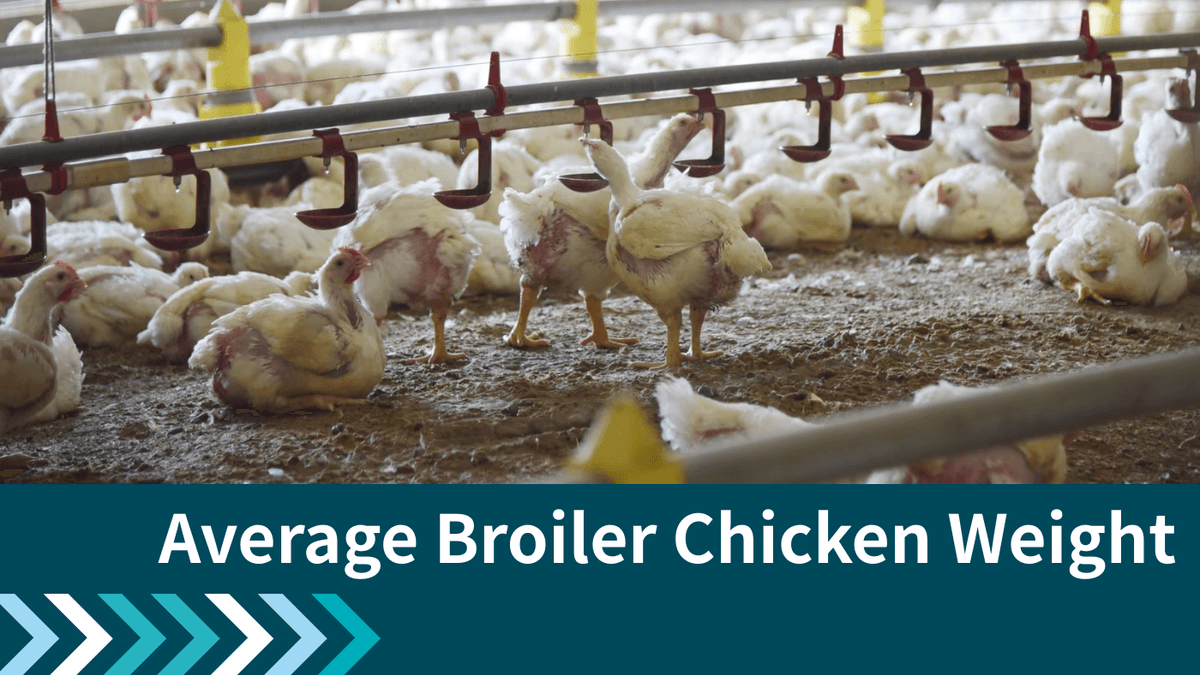
The average broiler chicken weighs about 6.5 lb (2.94 kg) at slaughter. But knowing the average does not tell you whether your flock will hit processor targets.
Breed standards set expectations, but actual weights depend on feed quality, environment, health management, and tracking precision. A flock averaging 6.2 lb when the contract calls for 6.5 lb costs you money—even if your birds are "close to average."
This article explains what drives broiler weights, how the industry got here, and why tracking precision matters as much as genetics.
What is the Average Weight for a Live Broiler Chicken?
In the United States, broilers average about 6.5 lb (2.94 kg) at slaughter, typically between 6-7 lb depending on the year and breed. But this is an industry-wide average.
Your flock weight depends on:
· Breed genetics and growth potential
· Nutrition program and feed quality
· Environmental conditions (temperature, ventilation, stress)
· Market demands (processor weight windows)
· Tracking precision (how accurately you monitor growth)
Industry averages give you a baseline. Actual performance comes down to management.
Average Broiler Weight Change Over Time
Modern broilers are dramatically different from those of decades past. Improvements in genetics, nutrition, and management pushed weights higher while shortening grow-out time.
Let's walk through how broiler chickens have grown bigger and faster over the decades, according to the National Chicken Council.
1920s–1950s: Slow-Growing Chicks
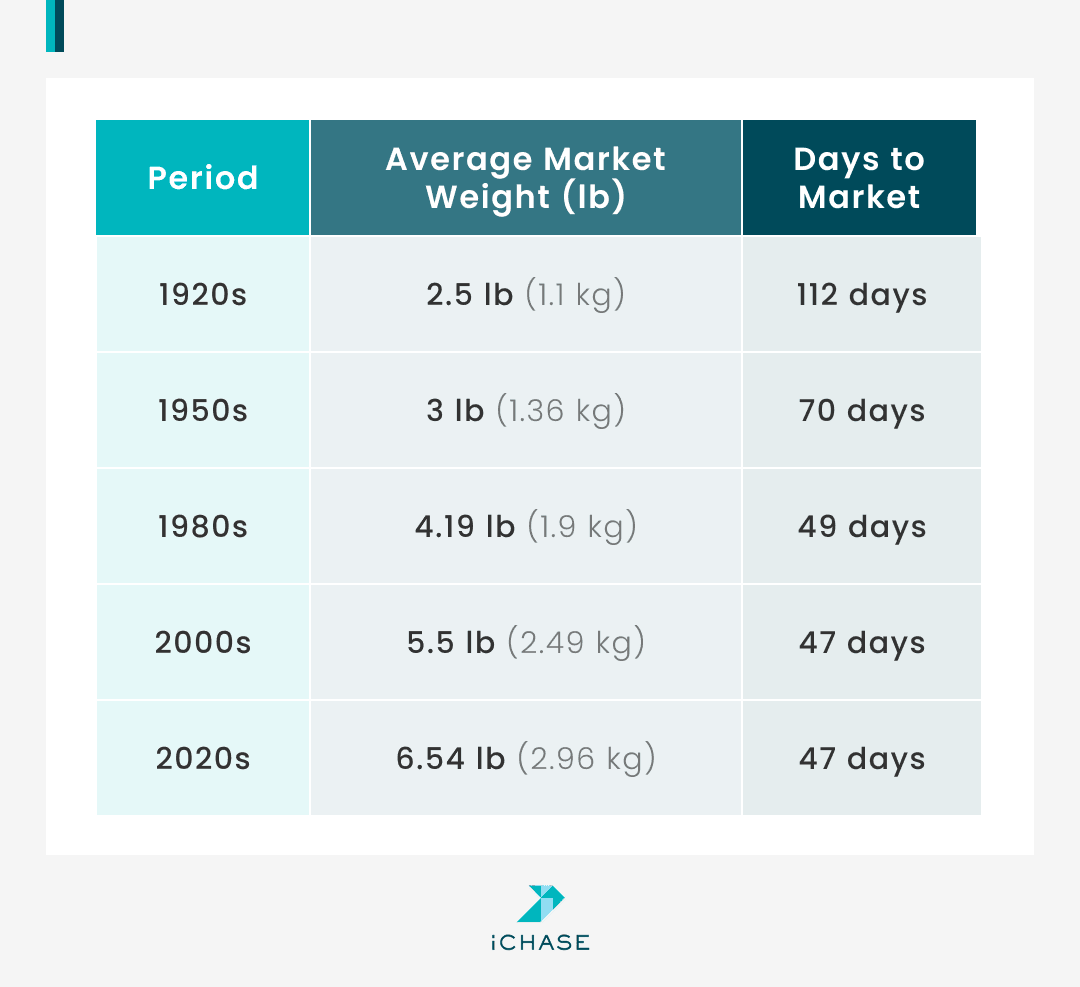
In the 1920s, broilers took 112 days to reach 2.5 lb (1.1 kg). By the 1950s, that improved to 3 lb (1.36 kg) in 70 days. Birds were smaller, leaner, and required far more feed per pound of gain.
Feed conversion was poor by modern standards. Profitability depended on low feed costs and long production cycles.
1980s: Explosive Growth
By the mid-1980s, broilers hit 4.19 lb (1.9 kg) in just 49 days—over a pound heavier in three weeks less time. This was not just bigger birds. It was better genetics, improved nutrition, and tighter management.
1990s–2020s: Modern Broilers
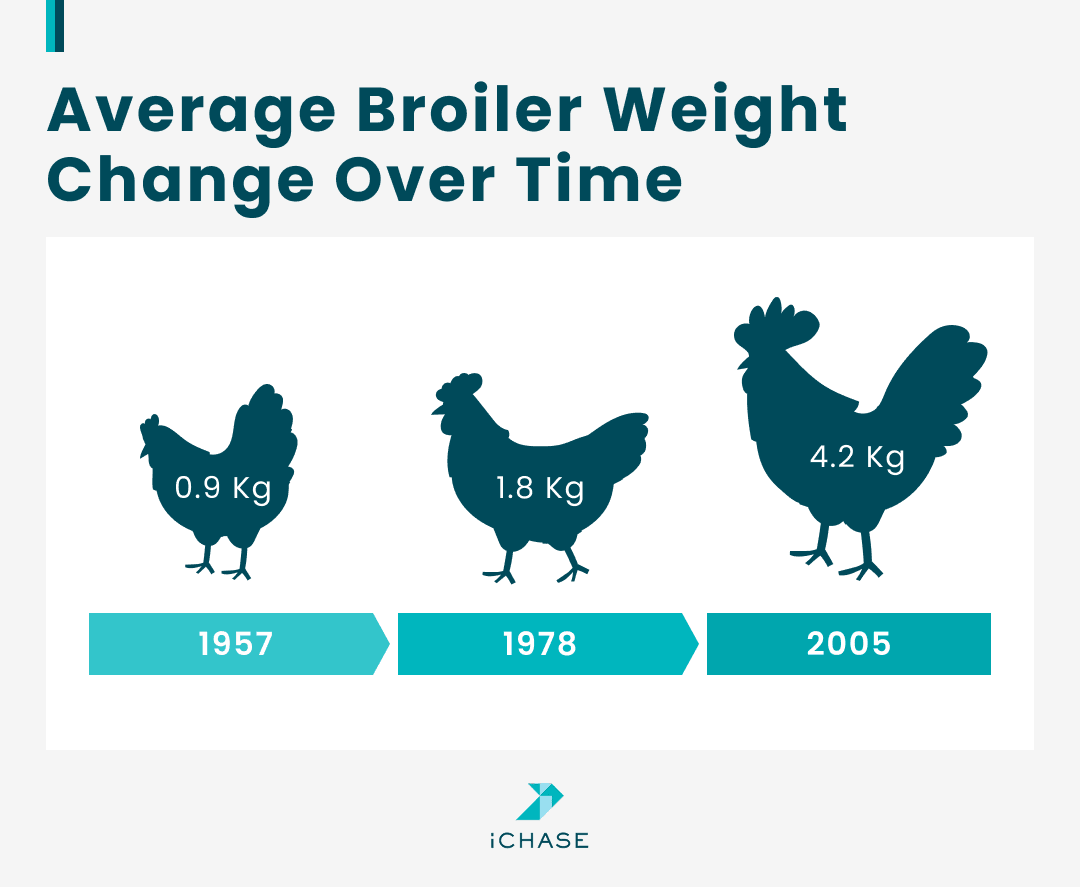
By the 2000s, broilers reached 5.5 lb (2.49 kg) in 47 days with the lowest mortality rates on record. Between 1957 and 2005, growth increased more than fourfold while feed efficiency improved nearly 50%.
Today, broilers average 6.54 lb (2.96 kg) at market in 47 days. The industry optimized for faster growth, better FCR, and higher meat yield. But genetics only work when management supports them.
What Factors May Influence the Broiler Average Weight?
Breed standards set the ceiling. From genetics to broiler management, each element plays a role in how heavy a bird will be at market time. Let’s break them down one by one.
Breed
Modern broiler breeds (Cobb, Ross, Hubbard) are selected for rapid growth and feed efficiency. Cornish Cross dominates commercial production because they reach market weight in 6-7 weeks with excellent FCR.
But even within the same breed, flock performance varies. Genetics set potential. Execution determines results.
Nutrition Programs
Feed quality directly affects weight gain. Starter, grower, and finisher feeds must match bird requirements at each growth stage. Poor feed quality—dusty, stale, or poorly mixed—means some birds never hit their genetic potential.
Protein levels, energy density, and supplement quality all matter. Cutting corners on feed shows up in final weights and FCR.
Environment
Temperature, ventilation, and litter quality affect feed intake and growth. Birds stressed by heat eat less. Birds stressed by cold burn energy staying warm instead of gaining weight.
Poor ventilation increases ammonia levels, reducing feed consumption and respiratory health. Both directly impact final weights.
Market Demands
Processor contracts specify target weight windows. Some contracts want 6.2 lb birds, others want 6.8 lb. Missing these windows costs money in penalties or reduced pricing.
Market demand determines when you harvest, which affects average flock weight. A contract calling for smaller birds means harvesting earlier, even if genetics support heavier weights.
Tracking Precision
How accurately you track weights determines whether you hit targets. Weekly manual sampling of 50 birds gives you rough estimates. Continuous automated monitoring gives you real-time data on the entire flock.
Better data means better harvest timing, fewer out-of-window birds, and less feed waste. Precision tracking turns average breed potential into actual performance.
How to Measure the Correct Average Broiler Weight
Accurate weight measurement requires consistent methods:
· Sample broadly: Weigh birds from different areas of the house, not just near the door.
· Consistent timing: Weigh at the same time each session. Feed and water intake affect readings.
· Calibrated equipment: Check scale accuracy weekly. Small errors compound over time.
· Record consistently: Track weekly weights, not just final harvest data. Trends show problems early.
Manual sampling works but has limits. You are estimating flock weight from less than 1% of birds. Automated systems eliminate sampling bias and provide continuous data.
Benefits of Having an Accurate Average Broiler Weight
Accurate weight data affects profitability at multiple levels:
For Growers
- Hit processor targets: Reduce out-of-window penalties and contract compliance issues.
- Optimize harvest timing: Know exactly when birds hit target weight. Stop guessing.
- Improve feed efficiency: Adjust rations based on actual growth, not estimates.
- Catch problems early: Weight loss shows up before visible disease symptoms.
For Integrators
- Improve flock uniformity: Consistent weights across multiple grower farms.
- Better forecasting: Accurate data supports production planning and logistics.
- Reduce processing issues: Uniform weights mean smoother processing and less waste.
Whether you manage a single farm or coordinate multiple operations, reliable weight data is one of the most powerful tools for maximizing efficiency and protecting margins.
iCHASE Offers You the Smart Broiler Chicken Weighing Scale System
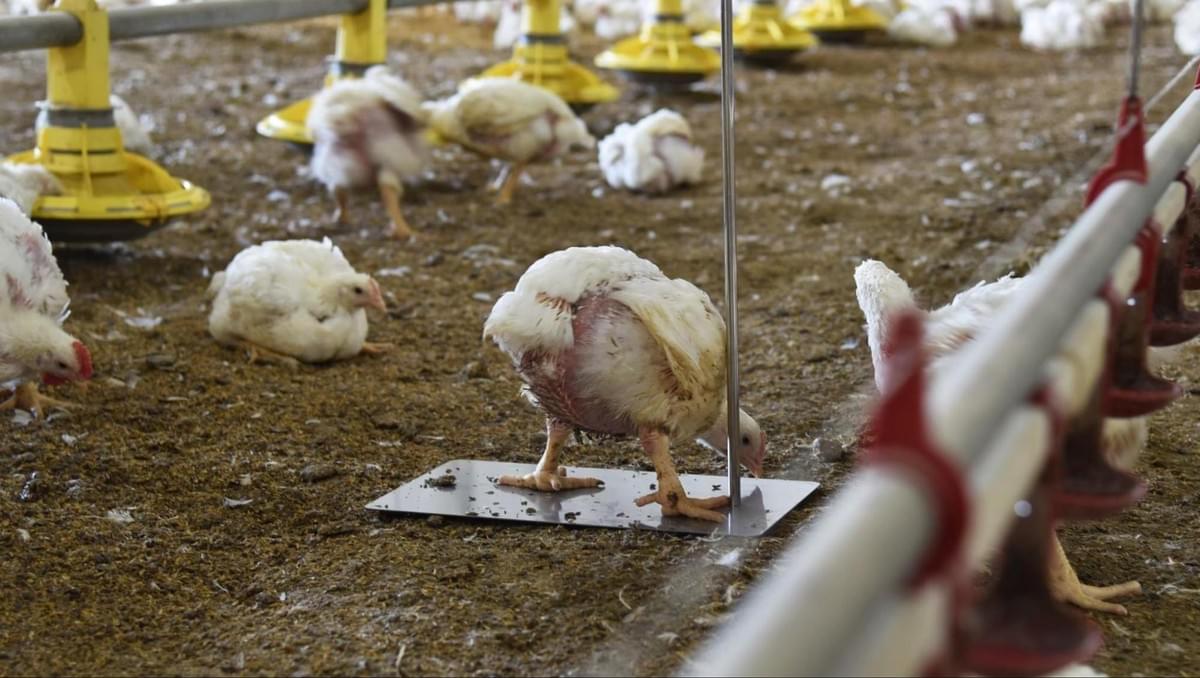
Knowing that broilers average 6.5 lb at slaughter does not help you hit processor targets. What matters is whether your flock hits your specific target weight window.
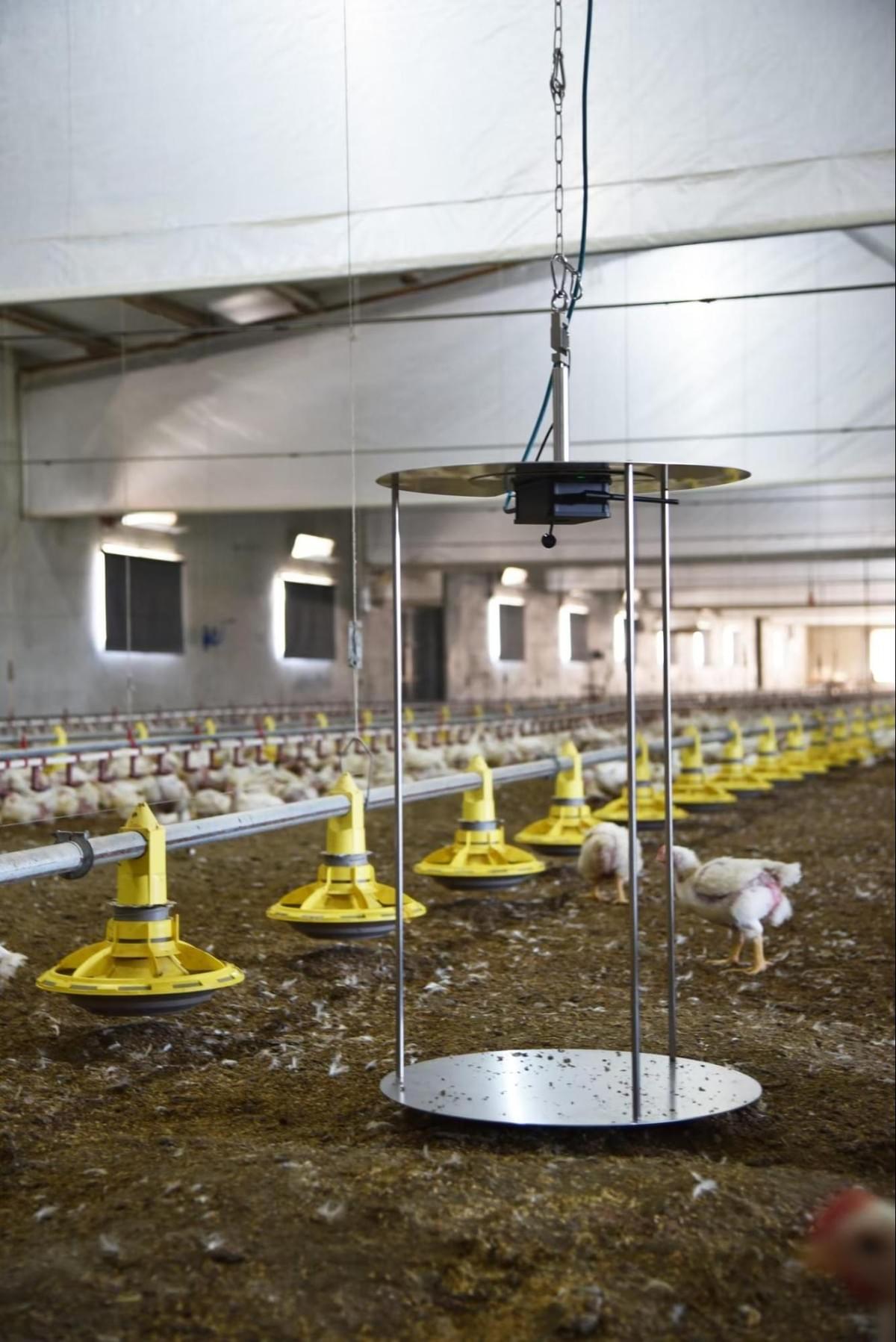
InsightScale provides continuous weight monitoring using AI-powered imaging—no handling, no stress, complete flock coverage. Instead of estimating from 50 birds weekly, you see everyone, every day.
What this means:
· Hit processor targets consistently
· Reduce out-of-window penalties
· Optimize harvest timing (stop wasting feed on birds already at target)
· Catch weight anomalies 48-72 hours before visible symptoms
Average weights tell you what is typical. Precision tracking tells you what is actually happening in your barn. Want to see how it fits your operation? Contact us to discuss your specific setup.